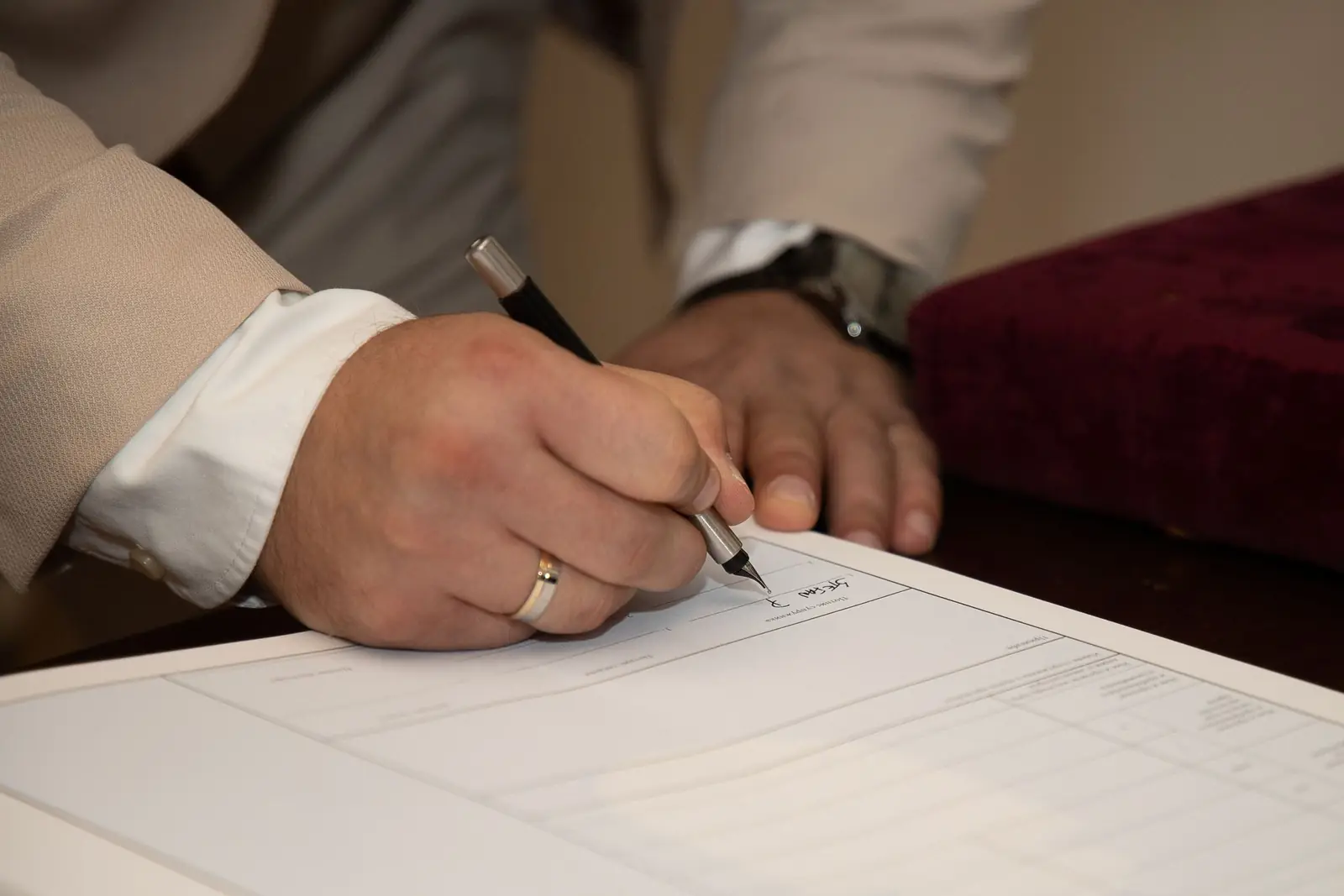

When family property is held jointly, any co-owner can ask for it to be divided. Partition is one of the most common — and most emotional — property disputes, especially where some heirs are in possession, some live elsewhere, or daughters' rights are disputed.
Adv. S. Mohamed Yunus handles partition matters in Coimbatore both ways: by negotiating and drafting a registered partition deed or family settlement when the family agrees, and through partition suits, preliminary and final decree proceedings when it does not.
Scope
Matters handled
- Partition suitsSuits for division of joint family, ancestral and inherited property by metes and bounds.
- Daughters' shareClaims by daughters as coparceners and heirs, with equal rights in Hindu joint family property.
- Partition deedsDrafting and registration of partition deeds when all co-owners agree.
- Family settlementsWritten family arrangements dividing property without litigation.
- Preliminary & final decreeDetermination of shares, followed by Commissioner inspection and actual division of the property.
- Accounts & mesne profitsClaims for a share of the rent and income collected by co-owners in possession.
- Sale in lieu of partitionSale of the property and division of proceeds where physical division is not practical.
- Challenging earlier partitionsSetting aside partitions or sales that excluded a rightful heir.
Process
How the process works
- 1
Family tree & title
Establishing the heirs, their shares and the nature of each property.
- 2
Settlement attempt
A notice and discussion aimed at an agreed partition deed or family settlement.
- 3
Partition suit
Filing the suit, with interim relief to prevent sale of the property where required.
- 4
Decree & division
Preliminary decree on shares, final decree with the Commissioner's division, and execution.
Documents to keep ready
- Family tree and legal heir certificate
- Death certificates of deceased members
- Title documents of each family property
- Patta, chitta and encumbrance certificate
- Will, settlement or earlier partition documents, if any
- Details of rent or income from the property
Relevant laws
- Hindu Succession Act, 1956 (as amended in 2005)
- Partition Act, 1893
- Code of Civil Procedure, 1908
- Indian Succession Act, 1925 and Muslim personal law
- Registration Act, 1908 and Indian Stamp Act, 1899
FAQ
Frequently asked questions
Do daughters have an equal share in ancestral property?
Under the Hindu Succession Act as amended in 2005, daughters are coparceners with the same rights as sons in Hindu joint family property. The Supreme Court has confirmed that this applies irrespective of whether the father was alive on the date of the amendment.
Can one co-owner sell the entire family property?
No. A co-owner can transfer only his or her own share. A buyer of an undivided share takes the seller's place and is bound by the partition.
Is a partition deed required to be registered?
Yes. A partition deed dividing immovable property must be stamped and registered. Tamil Nadu provides concessional stamp duty for partition among family members.
What is the difference between a preliminary and a final decree?
The preliminary decree declares the shares of the parties. The final decree actually divides the property, usually after an Advocate Commissioner inspects it and proposes the division.
The information on this page is general in nature, based on the law as generally understood, and is not legal advice. Legal positions change and outcomes depend on the facts of each case. Please consult before acting on any information.