A well-drafted legal notice is often the fastest and least expensive way to resolve a dispute. It puts the other side on formal notice of your claim, sets a deadline, and in many cases leads to payment or settlement without going to court. In some matters — such as cheque bounce cases and suits against the government — a notice is a legal requirement before a case can be filed.
Adv. S. Mohamed Yunus drafts legal notices and replies for individuals, families and businesses in Coimbatore. A notice is framed with the eventual case in mind, and a notice received is answered carefully, because what is said — or not said — in a reply can matter later.
Scope
Matters handled
- Money recovery noticesRecovery of loans, unpaid invoices, advances and deposits.
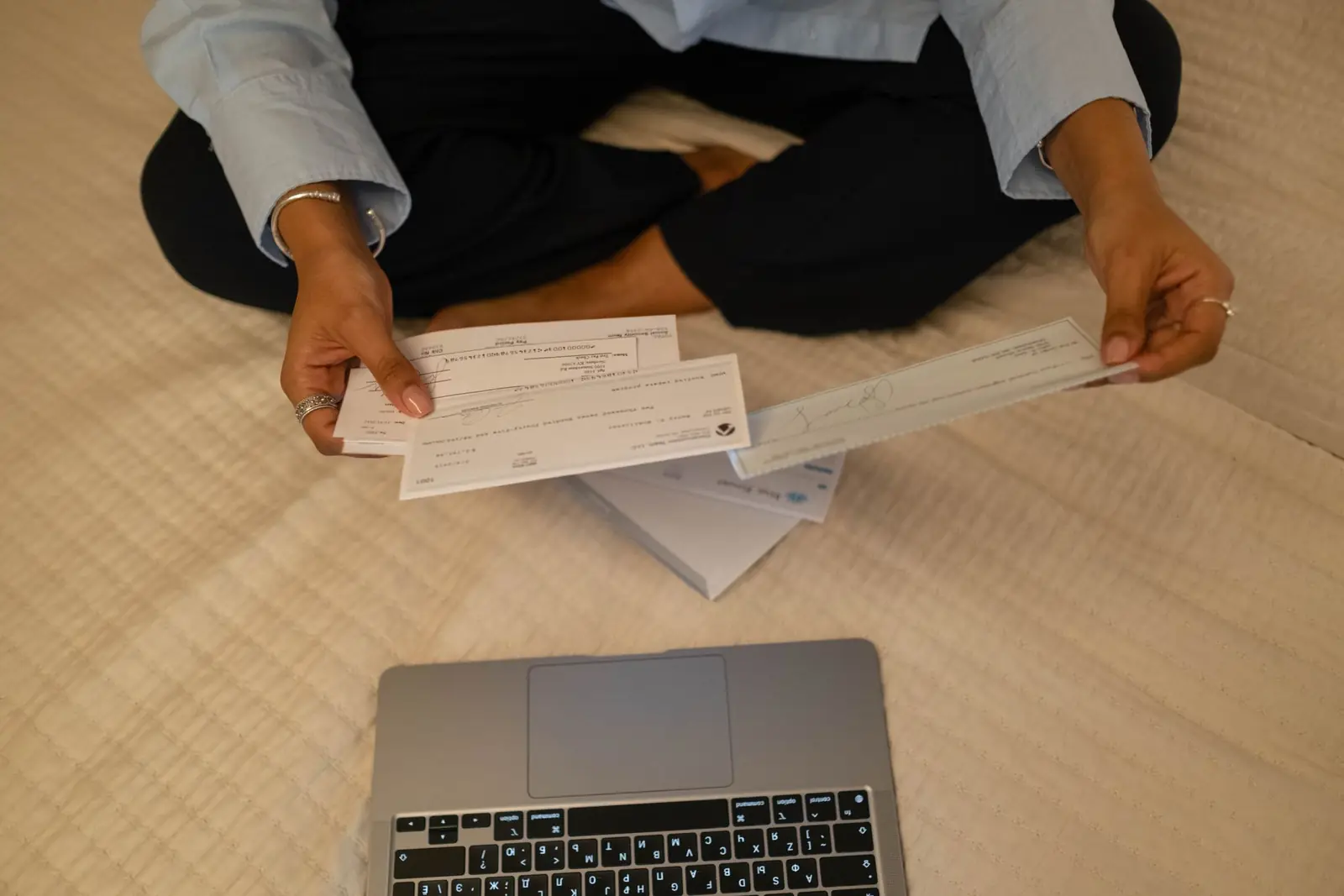
- Cheque bounce noticesStatutory demand notices under Section 138 of the Negotiable Instruments Act, within the time limit.
- Property & tenancy noticesNotices on encroachment, breach of sale agreements, eviction and arrears of rent.
- Consumer noticesNotices to sellers, builders, insurers and service providers before a consumer complaint.
- Family & matrimonial noticesNotices on maintenance, streedhan and other family matters.
- Breach of contract noticesNotices for non-performance of agreements and claims for damages.
- Notices to governmentStatutory notices required before suing government authorities.
- Replies to noticesCareful replies to notices received, protecting the client's position.
Process
How the process works
- 1
Facts & documents
Understanding the claim and collecting the supporting documents.
- 2
Drafting
A clear, firm notice stating the facts, the legal basis, the demand and the deadline.
- 3
Service
Sending the notice by registered post with acknowledgement, courier or email as appropriate.
- 4
Follow-up
Negotiation on the response, or the next legal step if the notice is ignored.
Documents to keep ready
- Agreements, invoices or receipts relating to the claim
- Proof of payment or amount due
- Correspondence, messages and emails exchanged
- Cheque and bank return memo (for cheque bounce notices)
- Correct name and address of the other party
- Copy of the notice received (for replies)
Relevant laws
- Code of Civil Procedure, 1908 (Section 80)
- Negotiable Instruments Act, 1881 (Section 138)
- Transfer of Property Act, 1882
- Indian Contract Act, 1872
- Consumer Protection Act, 2019
FAQ
Frequently asked questions
Is a legal notice compulsory before filing a case?
Not always. It is mandatory in some cases — for example, a demand notice in cheque bounce cases and a notice before suing the government — and advisable in most others, since it often leads to settlement and shows the court that you acted reasonably.
What is the time limit for a cheque bounce notice?
The notice must be sent within 30 days of receiving information from the bank that the cheque was dishonoured. The drawer then has 15 days from receipt of the notice to pay.
What happens if I ignore a legal notice?
Ignoring a notice does not make the claim go away. The other side may file a case, and your silence may be used against you. It is better to get advice and send a proper reply.
Does sending a legal notice extend the time limit for filing a case?
Generally, no. Limitation continues to run despite a notice, except in specific situations provided by law. Do not delay filing because a notice has been sent.
The information on this page is general in nature, based on the law as generally understood, and is not legal advice. Legal positions change and outcomes depend on the facts of each case. Please consult before acting on any information.