
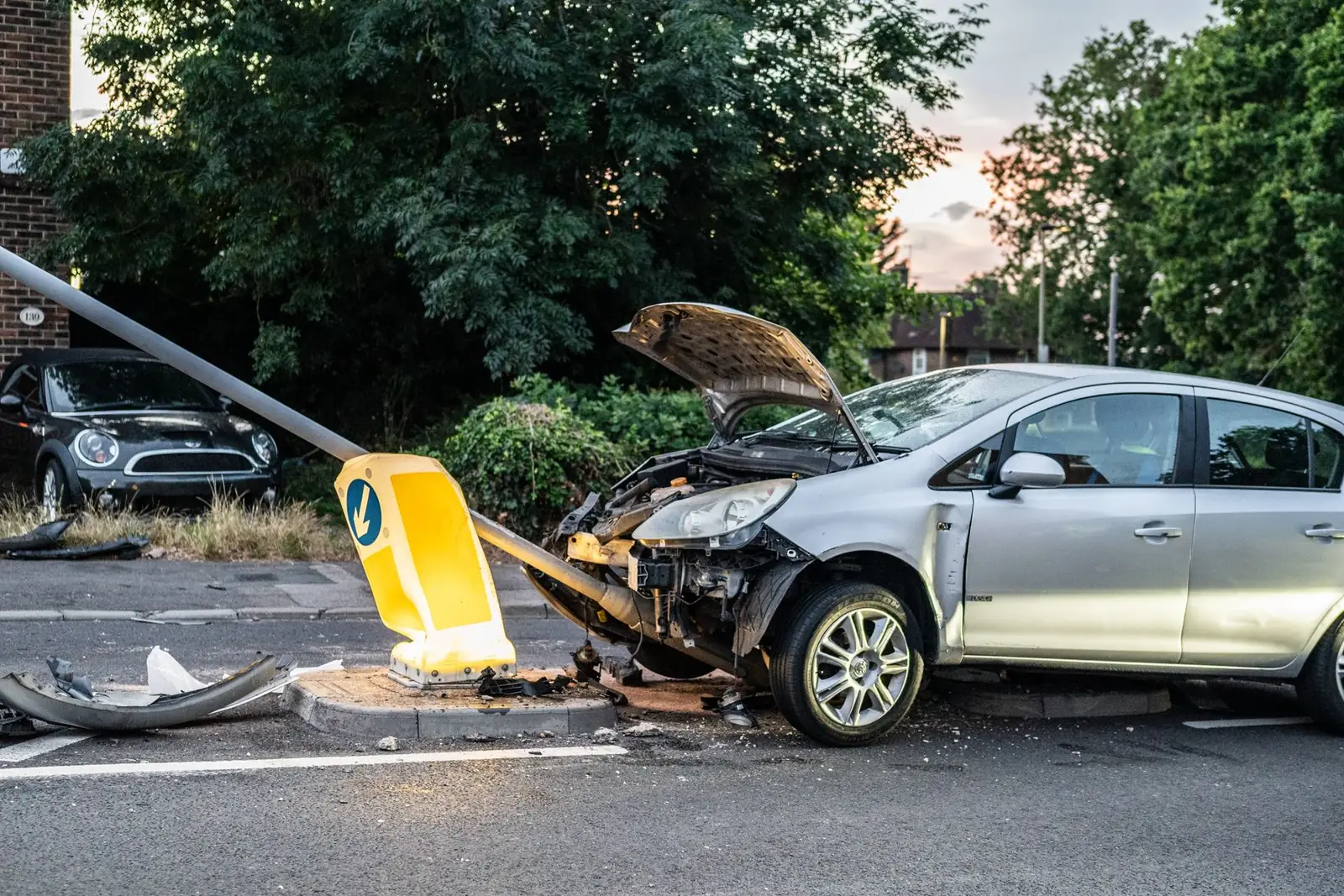
A road accident can change a family's life overnight — medical bills, loss of income and long recovery periods follow physical injury. The Motor Vehicles Act, 1988 allows victims, and the dependants of deceased victims, to claim compensation from the owner, driver and insurer of the offending vehicle before the Motor Accidents Claims Tribunal (MACT).
Adv. S. Mohamed Yunus represents injured persons and families in Coimbatore in preparing and pursuing claims — collecting police and medical records, assessing compensation under each recognised head, dealing with insurance companies and presenting evidence before the Tribunal.
Scope
Matters handled
- Death claimsClaims by legal representatives for loss of dependency, loss of estate, consortium and funeral expenses.
- Injury & disability claimsCompensation for medical expenses, loss of earnings, pain and suffering and permanent disability.
- Insurance company defencesResponding to defences such as policy breach, driving licence issues or delayed intimation.
- No-fault liabilityFixed compensation in cases of death or permanent disablement without having to prove negligence.
- Hit-and-run casesGuidance on applying for compensation under the government scheme when the vehicle is not identified.
- Vehicle damage claimsOwn-damage insurance disputes, including consumer complaints for wrongful repudiation.
- Appeals & executionAppeals against inadequate awards and execution to recover the awarded amount.
Process
How the process works
- 1
Collecting records
FIR, accident report, wound certificate, medical bills, disability certificate and income proof are gathered.
- 2
Assessment
Compensation is worked out under recognised heads such as income, age, dependency and future prospects.
- 3
Filing before MACT
The claim petition is filed before the Tribunal where the accident occurred, where the claimant resides or carries on business, or where the respondent resides.
- 4
Evidence & award
Witness and medical evidence and arguments lead to the award, with interest where granted.
Documents to keep ready
- Copy of the FIR and accident report
- Medical records, discharge summary and bills
- Wound certificate / disability certificate
- Income proof — salary slips, ITR or business records
- Vehicle RC, insurance policy and driving licence details (if available)
- Death certificate, post-mortem report and legal heir details (in fatal cases)
Relevant laws
- Motor Vehicles Act, 1988 (as amended in 2019)
- Central Motor Vehicles Rules, 1989
- Compensation to Victims of Hit and Run Motor Accidents Scheme, 2022
FAQ
Frequently asked questions
Who can file a motor accident compensation claim?
The injured person, the owner of damaged property, or in fatal cases the legal representatives of the deceased can file a claim. A claim may also be filed through a duly authorised agent.
How is compensation calculated?
Tribunals generally consider the victim's age, income, dependency, future prospects, medical expenses and the nature of injuries or disability, along with non-pecuniary heads such as pain and suffering or loss of consortium, following principles laid down by the Supreme Court.
Is there a time limit for filing a claim?
The 2019 amendment to the Motor Vehicles Act introduced a time limit for claim applications. As the position can depend on the facts, it is advisable to consult and file at the earliest after the accident.
What if the vehicle is uninsured or cannot be identified?
If the vehicle is uninsured, the owner and driver remain liable. In hit-and-run cases, compensation can be applied for under the government scheme — currently ₹2 lakh in case of death and ₹50,000 for grievous hurt.
The information on this page is general in nature, based on the law as generally understood, and is not legal advice. Legal positions change and outcomes depend on the facts of each case. Please consult before acting on any information.